Powrót
 Opublikowano: 3 November 2025
  Czas czytania: 8 minut

Altcoins: What Are They and What Types Exist? A Guide to the World of Alternative Cryptocurrencies
Beyond the dominant Bitcoin, the world of cryptocurrencies abounds with thousands of other digital assets known as altcoins. The term, short for “alternative coins,” refers to all cryptocurrencies that are not Bitcoin. But what exactly are altcoins, and what types exist? Understanding this diverse ecosystem is essential for anyone who wants to delve into blockchain technology and is considering allocating capital into digital assets. This guide explains the role of altcoins, their diversity, and potential, helping you navigate the dynamic cryptocurrency market.
Altcoins: Birth and Evolution After the Bitcoin Era
The history of altcoins began shortly after Bitcoin revealed to the world the potential of decentralized digital money. The first altcoins appeared as early as 2011, often as attempts to improve Bitcoin or address its perceived limitations (e.g., transaction speed, privacy, energy-intensive mining). Since then, the altcoin market has exploded, with their number now exceeding 20,000. This dynamic expansion is a testament to innovation and the drive to explore new applications of blockchain technology beyond the original vision of digital currency.
What Are Altcoins? Definition and Purpose
Altcoins is a collective term for all cryptocurrencies other than Bitcoin. They form a broad and highly diverse category that includes projects with vastly different functionalities, technologies, and goals. While many of them draw inspiration from Bitcoin (often using its source code as a foundation, creating so-called “forks”), most altcoins aim to offer new features, solve specific problems, or target particular market niches.
The main goals of altcoins include:
Technical improvements: Some altcoins focus on improving network scalability (the ability to process more transactions per second), transaction speed (reducing confirmation times), enhancing privacy (hiding transaction data), or increasing energy efficiency compared to Bitcoin’s consensus mechanisms (e.g., switching from Proof of Work to Proof of Stake).
New functionalities: Many altcoins have built-in features that go beyond serving as a currency or store of value. These may include platforms for building decentralized applications (dApps), supporting smart contracts, data management protocols, voting systems, or infrastructure for decentralized finance (DeFi).
Specific use cases and industries: Altcoins can be designed for specific industries (e.g., logistics, gaming – GameFi, art – NFT, healthcare, supply chain management) or to solve very particular problems (e.g., cross-border payments, digital identity verification, tokenization of real-world assets). Their value often derives from their real utility within a given ecosystem.
What Are the Types of Altcoins? A Diverse Cryptocurrency Ecosystem
The altcoin market is extremely diverse, and classification can be done in many ways, depending on the chosen criteria. Below are the most important categories to help you understand their diversity and role in the crypto world.
Coins vs. Tokens: The Fundamental Division
This is the most basic division in the world of altcoins, often confused by beginner investors and enthusiasts.
Coins: These are cryptocurrencies that have their own independent blockchain and function as the native currency of that network. They are an integral part of the infrastructure on which they operate. Coins are used to pay for transactions within the network (“gas fees” that cover verification and security costs), to secure it through consensus mechanisms (e.g., staking in Proof of Stake systems), and as a medium of exchange within the ecosystem.
Examples of popular coins: Ethereum (ETH) (the native currency of the Ethereum blockchain, the largest smart contract platform), Litecoin (LTC) (one of the oldest altcoins, created as “silver to Bitcoin’s gold,” offering faster transactions), Cardano (ADA) (a blockchain platform focused on security and scalability), Solana (SOL) (a high-performance platform for decentralized applications), Ripple (XRP) (with a unique consensus model focused on cross-border payments for financial institutions), Polkadot (DOT), Avalanche (AVAX), and BNB (a hybrid coin powering Binance Smart Chain).
Tokens: These are cryptocurrencies that do not have their own independent blockchain. Instead, they are built on existing blockchain platforms, using their infrastructure and standards (e.g., ERC-20 on Ethereum, BEP-20 on Binance Smart Chain, SPL on Solana). Tokens usually represent assets, services, governance rights, or other utilities within a specific decentralized application (dApp) or platform ecosystem. Their value often stems from their utility within the project that created them.
Examples of popular tokens: USDC (a stablecoin built on Ethereum and other blockchains), Chainlink (LINK) (an oracle token providing external data to Ethereum smart contracts), Decentraland (MANA) (a token of a virtual metaverse world), AAVE (a decentralized finance protocol token), UNI (the governance token of Uniswap exchange).
Stablecoins: Digital Currencies of Stable Value – A Bridge Between Worlds
Stablecoins are a special and highly important type of cryptocurrency whose value is intentionally pegged (“stabilized” or “anchored”) to another, less volatile asset. This is typically a traditional fiat currency (e.g., US dollar, euro), but it may also be a commodity (e.g., gold, as in Pax Gold – PAXG) or a basket of assets. Their primary goal is to minimize the extreme volatility characteristic of most cryptocurrencies while maintaining blockchain advantages such as speed, transparency, and global accessibility.
Stabilization mechanisms:
- Fiat-backed: (e.g., USDC, USDT, BUSD) – their value is backed by reserves of traditional currency held by the issuer (e.g., 1 USDC = 1 USD). Issuers often undergo audits to prove reserve holdings.
- Crypto-backed: (e.g., DAI) – their value is backed by other cryptocurrencies but over-collateralized to minimize downside risks.
- Algorithmic: (e.g., the now-defunct TerraUSD – UST) – attempt to maintain value through algorithms and market mechanisms without direct backing, which has proven extremely risky.
Use cases:
- Fast and stable trading: Allow investors to exit volatile positions quickly without converting to fiat, useful during market panic.
- Cross-border payments: Faster and cheaper than traditional bank transfers, ideal for global remittances.
- Capital protection: Temporary safe haven from volatility, though still exposed to issuer or stabilization risks.
Privacy Coins: Anonymity in the Digital World
Privacy coins are altcoins emphasizing increased anonymity and confidentiality of transactions. Unlike most blockchains (including Bitcoin, where all transactions are public), privacy coins seek to conceal transaction data.
Technology: They use advanced cryptographic techniques such as zero-knowledge proofs (zk-SNARKs, e.g., in Zcash), ring signatures (e.g., in Monero), and stealth addresses to obscure sender, receiver, and amount data.
Examples: Monero (XMR), Zcash (ZEC), Dash (DASH).
Use cases: Favored by users seeking maximum privacy in digital transactions. Their legal status is often controversial and under regulatory scrutiny.
Utility Tokens: Access to Services and Ecosystems
Utility tokens grant holders access to specific services, products, or functionalities offered by a blockchain project. They are not intended to function as currencies themselves.
Examples: Chainlink (LINK) is used to pay for oracle services (external data) within the Chainlink network that feeds smart contracts. Decentraland (MANA) enables purchases of virtual land and items in the Decentraland metaverse. Filecoin (FIL) allows decentralized data storage rental.
Use cases: Access to dApps, blockchain games (GameFi), DeFi services, or other ecosystem features. Their value directly reflects their utility, and their price may rise with the project’s popularity and adoption.
Security Tokens: Digital Securities of the Future
Security tokens represent ownership of real-world assets (e.g., company shares, real estate, bonds, fund units, artworks) or traditional securities, issued on the blockchain. They fall under securities regulations and are often seen as the future of capital markets.
Use cases: Tokenization of traditional assets (Asset Tokenization), enabling more liquid trading (e.g., 24/7 markets, fractional ownership) and lower issuance costs. They may revolutionize how companies raise capital and how investors access asset classes. Their development depends heavily on regulatory evolution.
Platform Coins/Tokens: The Foundations of Digital Ecosystems
These are coins (or sometimes tokens) that power entire blockchain platforms, enabling developers to build decentralized applications and smart contracts on top. Their success is often tied to the growth of the ecosystems they support.
Examples: Ethereum (ETH) remains the king of blockchain platforms, enabling thousands of dApps and tokens (most altcoins are based on Ethereum). Other key platforms include Solana (SOL) (known for high throughput and low fees), Cardano (ADA) (research-driven development), Polkadot (DOT), Avalanche (AVAX), and Tron (TRX).
Use cases: Paying for transactions (gas fees), staking (network security), governance, and resource allocation for developers. Their value reflects the ecosystem’s utility, security, and adoption.
Governance Tokens: Voting Rights in Decentralized Projects
These tokens grant holders voting rights in decisions concerning the future development of decentralized protocols and platforms (DAOs – Decentralized Autonomous Organizations). Holders can vote on proposals to modify code, allocate project funds, set fees, or decide other key issues.
Examples: UNI (Uniswap DEX governance token), AAVE (Aave lending protocol token), COMP (Compound Finance token).
Use cases: Participation in governance, voting on proposals, fund allocations, and protocol fees—a form of democracy in decentralized finance.
Investing in Altcoins: Potential and Risks of Innovation
The altcoin market offers immense potential for investors willing to take on higher risk. It is a field of innovation but also one of high volatility and unpredictability.
Potential Benefits:
- Higher potential returns: Many altcoins, especially small-cap and innovative ones, may see higher percentage gains than Bitcoin if their projects succeed.
- Diversification: Investing in multiple altcoins spreads risk and provides exposure to various blockchain sectors.
- Exposure to innovation and trends: Altcoins allow investing in technologies like DeFi, NFT, metaverse, and Web3.
- Low entry barriers: Many altcoins are inexpensive per unit, making them attractive to beginners (though price ≠ low risk).
Risks of Investing in Altcoins: Volatility and Unpredictability
However, these advantages are balanced by significant risks, making altcoins highly speculative investments.
- Extreme volatility: Prices can fluctuate by double digits daily due to speculation, low liquidity, or “pump and dump” schemes.
- Low liquidity and thin markets: Especially for smaller projects, making trading difficult and causing price slippage.
- Technological and project risk: Many projects are experimental, with uncertain outcomes.
- Regulatory risk: Legal scrutiny may impact stablecoins, security tokens, or privacy coins.
- Scams and Ponzi schemes: Fake projects, rug pulls, and fraudulent tokens are common.
- No safe haven: Altcoins often fall harder than Bitcoin during crises and should not be seen as stable stores of value.
Choosing the Right Altcoins: The Key to Success in a Volatile World
Selecting the right altcoins requires deep research, not just following hype or social media.
Consider:
- Project purpose and utility
- Technology and innovation
- Developer team and community
- Market capitalization and liquidity
- Roadmap and ongoing development
- Competition
- Regulatory environment
- Security audits
Remember: the altcoin market is dynamic and risky. Diversify and invest only what you can afford to lose.
The Role of Altcoins in the Future of Finance and Technology: Innovation on the Horizon
Despite volatility, altcoins play a key role in blockchain evolution and financial innovation.
- DeFi: Altcoins power decentralized finance projects like Aave, Compound, and Uniswap.
- NFTs: Ethereum and similar platforms enabled digital ownership in art, gaming, and collectibles.
- Metaverse & Web3: Altcoins enable virtual economies and digital identity.
- Scalability & interoperability: New altcoins address blockchain limits and connect networks.
- Corporate adoption: Businesses explore blockchain for efficiency, data management, and tokenized assets.
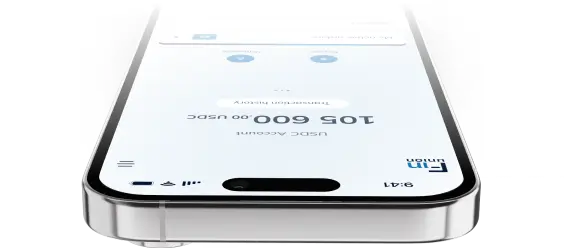
At FinUnion, we understand these trends and the need for secure crypto management. Our FinUnion app enables USDC transfers to bank accounts, local crypto deposits in Warsaw and crypto bill payments—bridging digital assets with everyday finance.
Altcoins – A Key to Innovation but with Elevated Risk
The altcoin market is dynamic and innovative, offering diverse projects from platform coins like Ethereum or Solana to stablecoins like USDC and utility or privacy tokens.
However, investing in altcoins carries higher risk than Bitcoin or traditional assets. Their volatility, lower liquidity, and technological and regulatory uncertainties require careful analysis. Though they offer potential for high returns and diversification, they are not safe havens or guaranteed wealth protection.
FinUnion, through its services and app, provides secure and efficient digital asset management, bridging crypto with traditional finance. Always remember diversification and cautious capital allocation when investing in such speculative assets.
Discover the world of altcoins with FinUnion! Download our app or visit our branch in Warsaw to learn more about managing your digital finances.